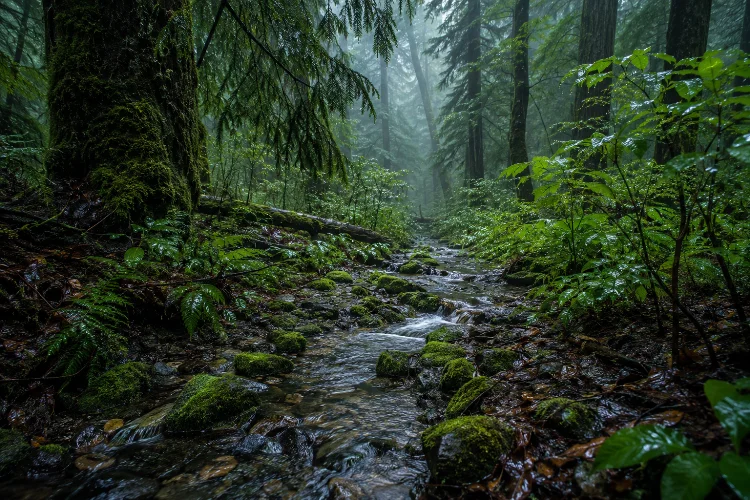
Important Tree Characteristics Every Forestry Student Should Learn
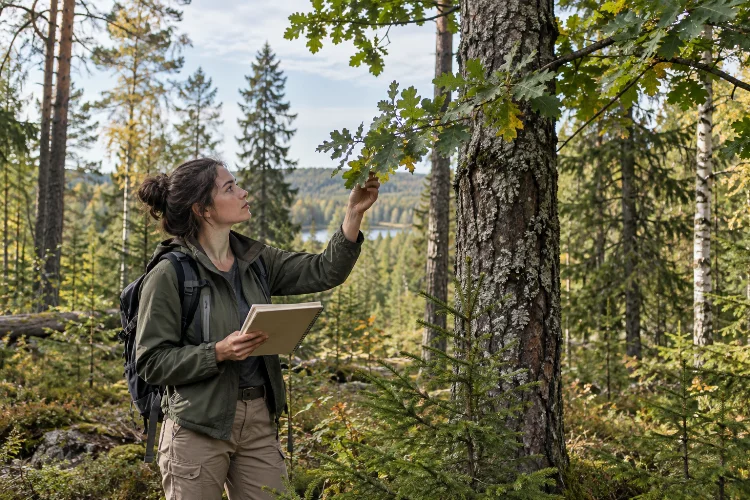
Important Tree Characteristics Every Forestry Student Should Learn

Walk into a forest with an experienced forester and you may notice something interesting. While most people see a collection of trees, the forester sees different species, crown positions, bark patterns, growth rates, regeneration potential, and clues about the site itself. Learning to notice those details is an essential part of forestry education. The important … Read more

How Climate Change Is Altering Forest Ecosystems Worldwide

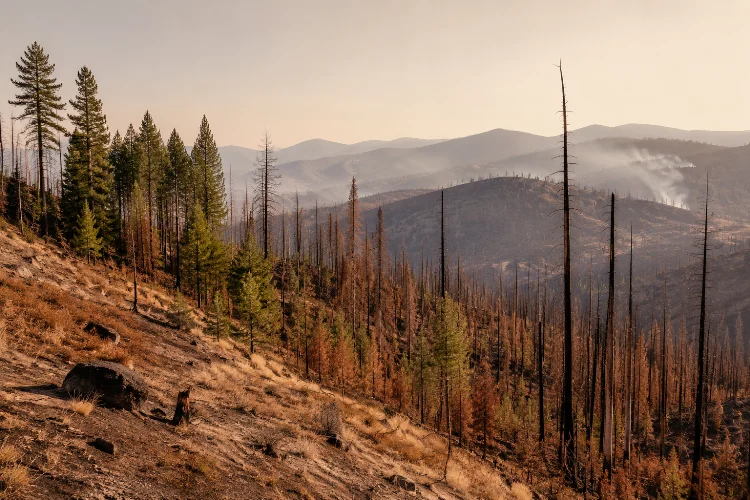
How Climate Change Is Altering Forest Ecosystems Worldwide

Forests have always dealt with change. Droughts come and go, fires reshape landscapes, insects attack trees, and species gradually move as environmental conditions shift. What is different today is the speed and scale at which many of these pressures are changing. Climate change is altering forest ecosystems around the world through rising temperatures, changing rainfall … Read more

How Temperature and Rainfall Shape Forest Ecosystems

How Temperature and Rainfall Shape Forest Ecosystems

Why does a tropical rainforest look completely different from a boreal forest, even though both are dominated by trees? A large part of the answer comes down to two basic climate factors: temperature and rainfall. Together, they influence how quickly trees grow, which species can survive, how long the growing season lasts, how much water … Read more

Understanding How Forests Influence Water Movement and Storage

Understanding How Forests Influence Water Movement and Storage

A rainstorm over a forest starts a much more complicated journey than simply sending water straight to the nearest river. Some raindrops land on leaves and evaporate back into the atmosphere. Others drip down branches, soak into leaf litter, enter the soil, reach tree roots, or move deeper toward groundwater. Forests are therefore active parts … Read more

How to Identify Tree Species Using Leaves, Bark, Flowers, and Fruit

How to Identify Tree Species Using Leaves, Bark, Flowers, and Fruit

Have you ever walked past a tree and wondered what species it was, only to realize that every tree suddenly seems to look the same? Tree identification can feel complicated at first. There are thousands of species worldwide, and many share similar shapes, green leaves, brown bark, and branching patterns. Fortunately, you do not need … Read more

How Nutrient Cycling Supports Tree Growth and Forest Ecosystem Health

How Nutrient Cycling Supports Tree Growth and Forest Ecosystem Health

A forest rarely receives fertilizer, yet enormous trees can keep growing for decades or even centuries. Every year they produce new leaves, roots, flowers, seeds, and wood, all of which require nutrients such as nitrogen, phosphorus, potassium, calcium, and magnesium. So where do those nutrients keep coming from? Much of the answer lies in nutrient … Read more

The Basic Principles Every Student Should Know About Silviculture

The Basic Principles Every Student Should Know About Silviculture

At first glance, silviculture can sound like one of those forestry terms that requires an entire textbook just to understand the definition. In reality, the basic idea is fairly straightforward: foresters guide how forests establish, grow, change, and regenerate. That does not mean simply planting trees or cutting mature ones. Silviculture involves decisions about species, … Read more

Understanding Forest Soil and Its Role in Supporting Tree Growth

Understanding Forest Soil and Its Role in Supporting Tree Growth

When people picture a healthy forest, they usually notice what is above the ground first: tall trunks, green leaves, dense canopies, and young seedlings. Yet much of what determines whether those trees can survive is happening beneath their feet. Forest soil is far more than dirt holding trees upright. It stores water, supplies mineral nutrients, … Read more

Understanding Forest Health and Signs of a Healthy Tree Community

Understanding Forest Health and Signs of a Healthy Tree Community

A healthy forest does not always look perfectly green, tidy, or untouched. Trees naturally die, branches fall, insects feed on leaves, storms create canopy gaps, and fallen logs slowly decompose on the forest floor. Some of these changes are actually essential parts of a functioning ecosystem. Understanding forest health and the signs of a healthy … Read more

How Silvicultural Practices Shape Forest Growth and Development

How Silvicultural Practices Shape Forest Growth and Development

A forest may look like it grows entirely on its own, but managed forests often tell a different story. Foresters can influence which trees survive, how quickly they grow, how much sunlight reaches the ground, and even what the forest might look like decades from now. That is where silviculture comes in. Silviculture is the … Read more