Important Tree Characteristics Every Forestry Student Should Learn
Important Tree Characteristics Every Forestry Student Should Learn

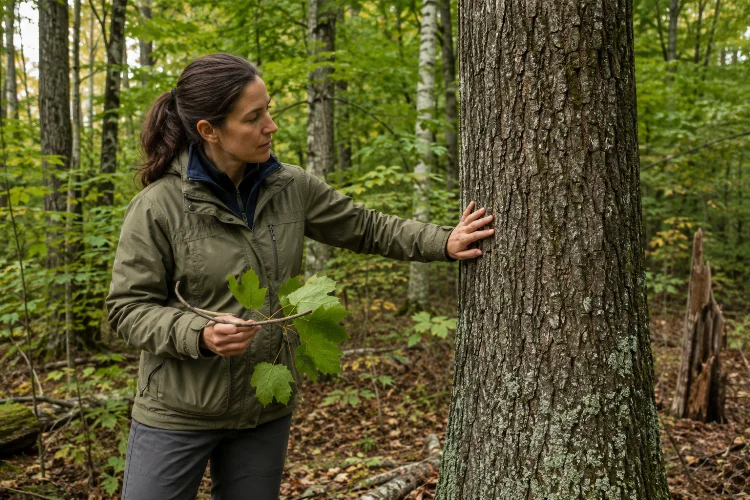
Walk into a forest with an experienced forester and you may notice something interesting. While most people see a collection of trees, the forester sees different species, crown positions, bark patterns, growth rates, regeneration potential, and clues about the site itself. Learning to notice those details is an essential part of forestry education. The important … Read more

How Nutrient Cycling Supports Tree Growth and Forest Ecosystem Health

How Nutrient Cycling Supports Tree Growth and Forest Ecosystem Health

A forest rarely receives fertilizer, yet enormous trees can keep growing for decades or even centuries. Every year they produce new leaves, roots, flowers, seeds, and wood, all of which require nutrients such as nitrogen, phosphorus, potassium, calcium, and magnesium. So where do those nutrients keep coming from? Much of the answer lies in nutrient … Read more

Understanding Forest Soil and Its Role in Supporting Tree Growth

Understanding Forest Soil and Its Role in Supporting Tree Growth

When people picture a healthy forest, they usually notice what is above the ground first: tall trunks, green leaves, dense canopies, and young seedlings. Yet much of what determines whether those trees can survive is happening beneath their feet. Forest soil is far more than dirt holding trees upright. It stores water, supplies mineral nutrients, … Read more

Understanding Forest Health and Signs of a Healthy Tree Community

Understanding Forest Health and Signs of a Healthy Tree Community

A healthy forest does not always look perfectly green, tidy, or untouched. Trees naturally die, branches fall, insects feed on leaves, storms create canopy gaps, and fallen logs slowly decompose on the forest floor. Some of these changes are actually essential parts of a functioning ecosystem. Understanding forest health and the signs of a healthy … Read more

Why Forest Ecosystems Are Essential for Environmental Stability

Why Forest Ecosystems Are Essential for Environmental Stability

Imagine removing every forest from the planet tomorrow. The obvious loss would be trees and wildlife, but the consequences would reach much further. Water cycles would change, soils would become more vulnerable to erosion, enormous stores of carbon would be affected, and countless species would lose their habitats. Communities that depend on forests for water, … Read more

How Living and Nonliving Components Shape a Forest Ecosystem

How Living and Nonliving Components Shape a Forest Ecosystem

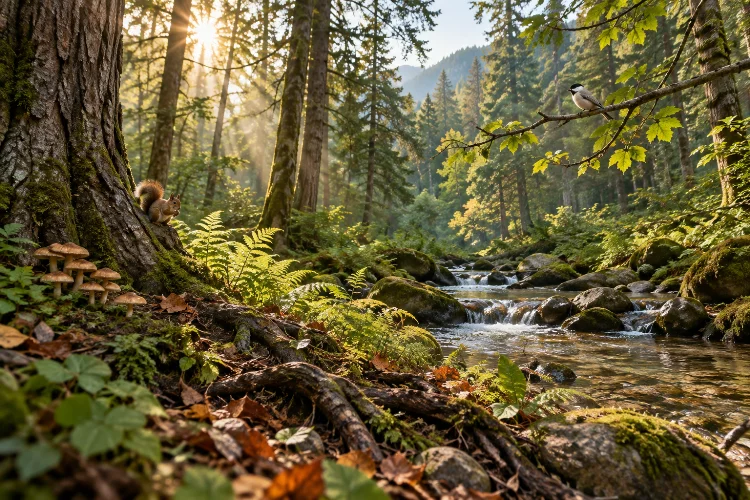
Walk into a forest and the first things you probably notice are the living ones. Tall trees stretch toward the sunlight, birds move between branches, insects crawl under leaves, and perhaps a squirrel disappears behind a trunk. But a forest is shaped by much more than the organisms we can see. Sunlight, temperature, rainfall, soil, … Read more

Understanding Dendrology and Why Tree Identification Matters

Understanding Dendrology and Why Tree Identification Matters

At first glance, identifying a tree seems easy. Look at the leaves, compare them with a picture, and find the name. Then you walk into a diverse forest and discover that several trees have almost identical leaves, one has no leaves at all, and another looks completely different because it is still young. This is … Read more

Understanding Silviculture for Sustainable Forest Management

Understanding Silviculture for Sustainable Forest Management

Forests may grow naturally, but managing them responsibly often requires careful decisions. Which trees should be encouraged? When should crowded stands be thinned? How can timber be harvested without preventing the next generation of trees from developing? These are the kinds of questions addressed by silviculture. Understanding silviculture and its role in sustainable forest management … Read more

How Trees, Fungi, Animals, and Microbes Work Together in Forests

How Trees, Fungi, Animals, and Microbes Work Together in Forests

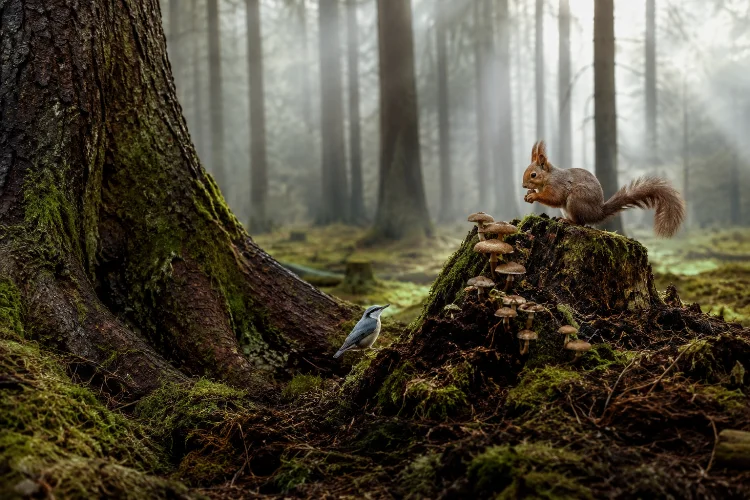
A forest may look like a place dominated by trees, but trees are only part of the story. Beneath the soil, fungi connect with roots, bacteria transform nutrients, insects break down dead wood, and animals carry seeds across the landscape. Understanding how trees, fungi, animals, and microbes interact inside forest systems reveals something important: forests … Read more

Why Biodiversity Is Essential for Healthy and Resilient Forest Systems

Why Biodiversity Is Essential for Healthy and Resilient Forest Systems

A healthy forest is much more than a large collection of trees. Look closer and you will find insects moving between flowers, fungi growing around roots, birds spreading seeds, mammals shaping vegetation, and microorganisms quietly recycling dead material in the soil. All of these organisms are connected through biodiversity. Understanding why biodiversity is essential for … Read more